


Helsing and Stark Defence loitering-munition drones and Germany’s race to industrialise battlefield autonomy
Berlin is moving to buy large numbers of one-way strike drones under deals that could reach about four point three billion euros, with parliament still needing to sign off.
Germany is preparing to place some of its biggest near-term bets on modern battlefield autonomy by awarding major drone contracts to two venture-backed defence start-ups, Helsing and Stark Defence.
The immediate story is procurement.
The deeper issue is strategic: Europe’s largest economy is trying to turn small-batch drone innovation into an industrial capability fast enough to deter Russia, supply a forward-deployed brigade in Lithuania, and avoid being locked into slow legacy defence cycles.
Confirmed vs unclear: What we can confirm is that Germany’s defence authorities have moved toward awarding contracts to Helsing and Stark Defence for loitering-munition drones, with initial orders in the hundreds of millions of euros and overall frameworks discussed at up to about four point three billion euros.
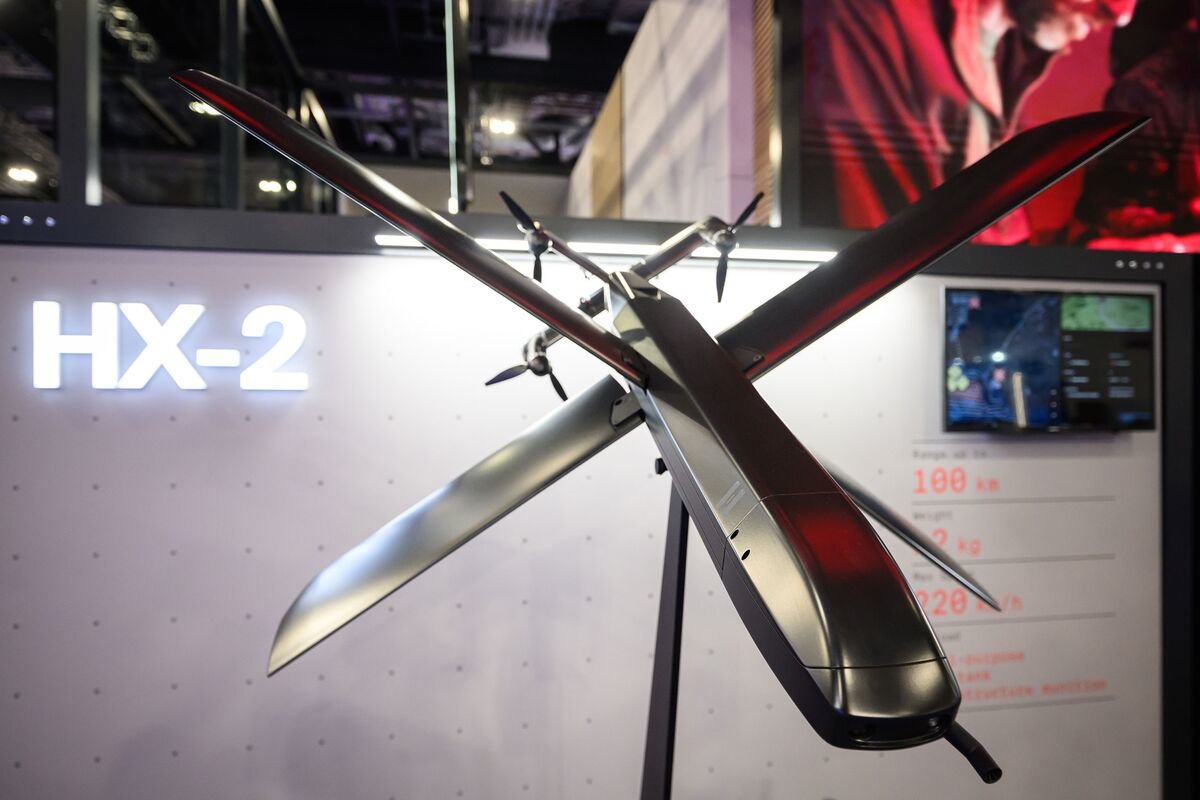
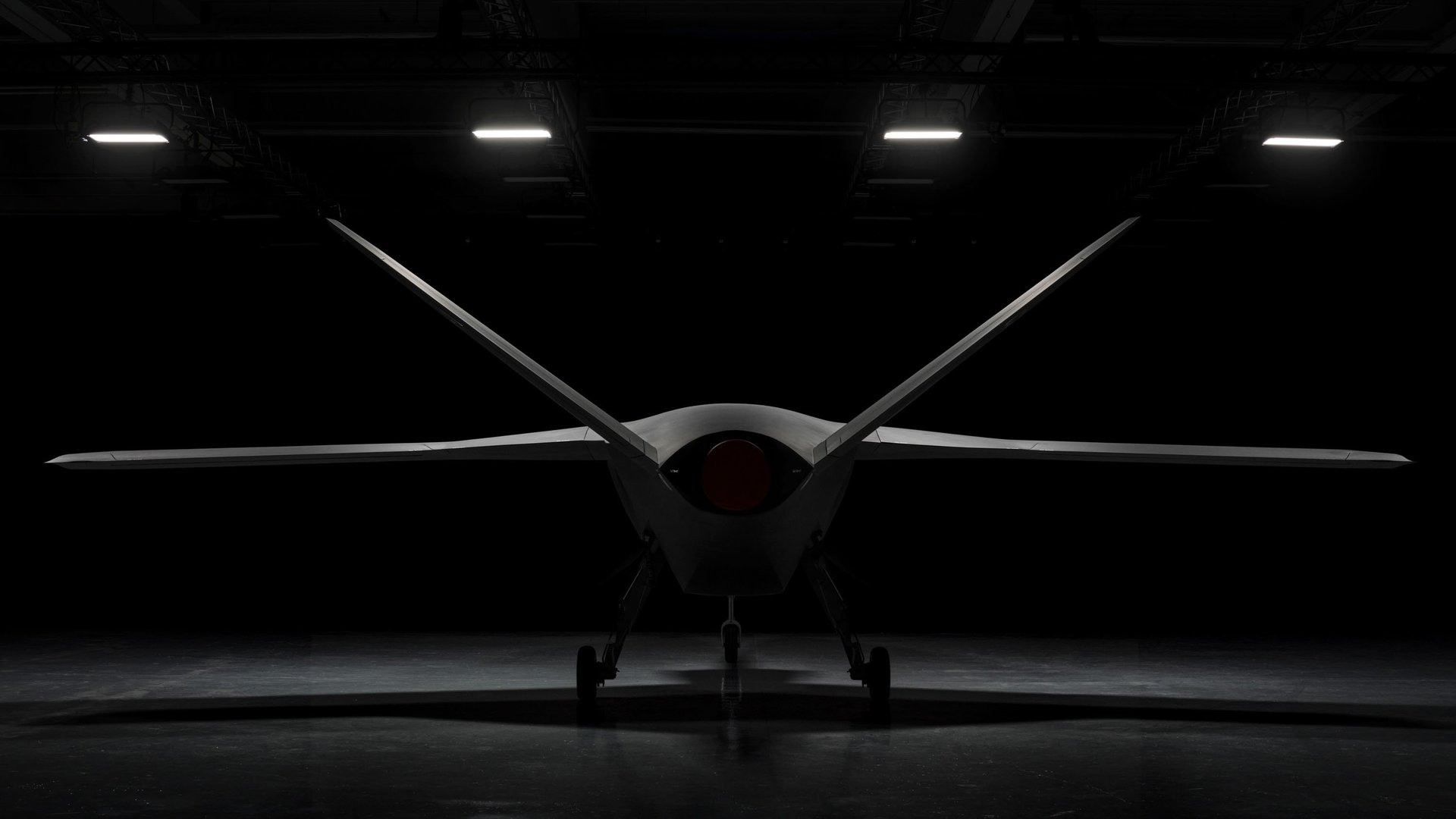
We can confirm Helsing’s HX-two one-way strike drone is tied to an initial contract reported at about two hundred sixty-nine million euros, with an expansion ceiling discussed at about one point four six billion euros.
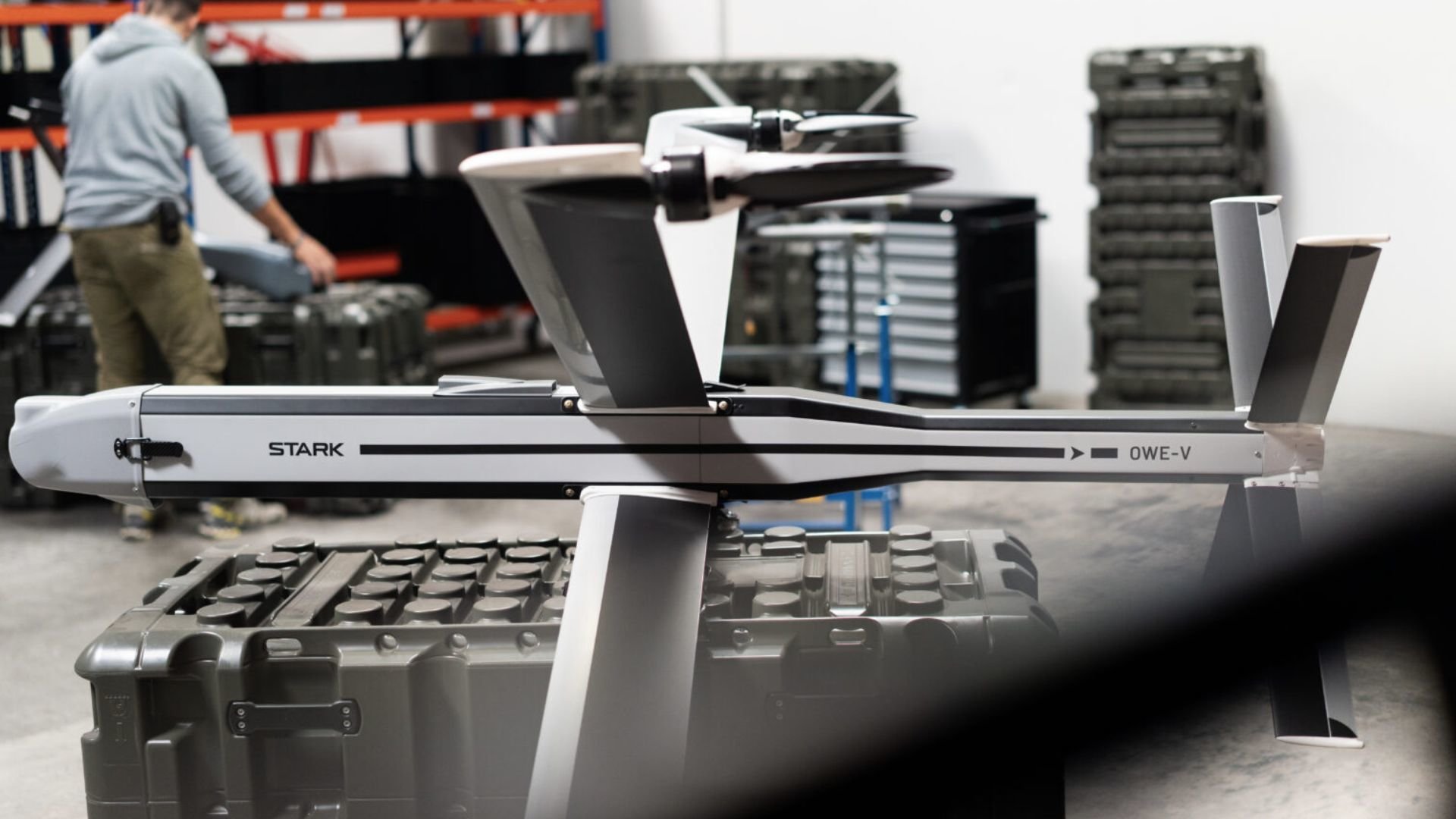
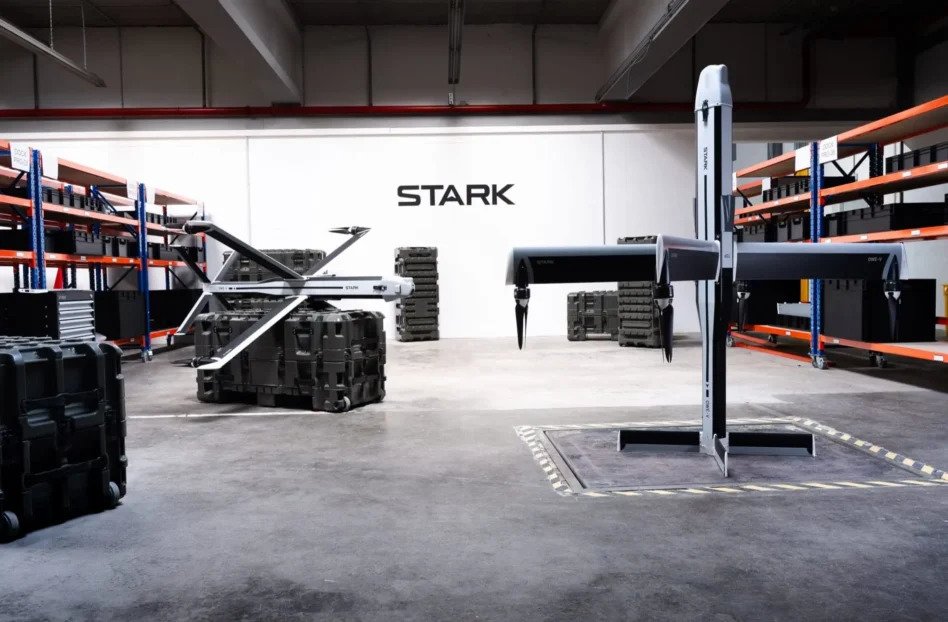
We can confirm Stark Defence is also positioned for a large initial award, with a potential expansion ceiling discussed at about two point eight six billion euros.
We can confirm the deals are subject to review by the Bundestag budget process.
What’s still unclear is the final quantity and delivery schedule that will be approved, the precise performance thresholds required for expansion options, and how quickly the Bundeswehr can absorb the systems into training, doctrine, and logistics.
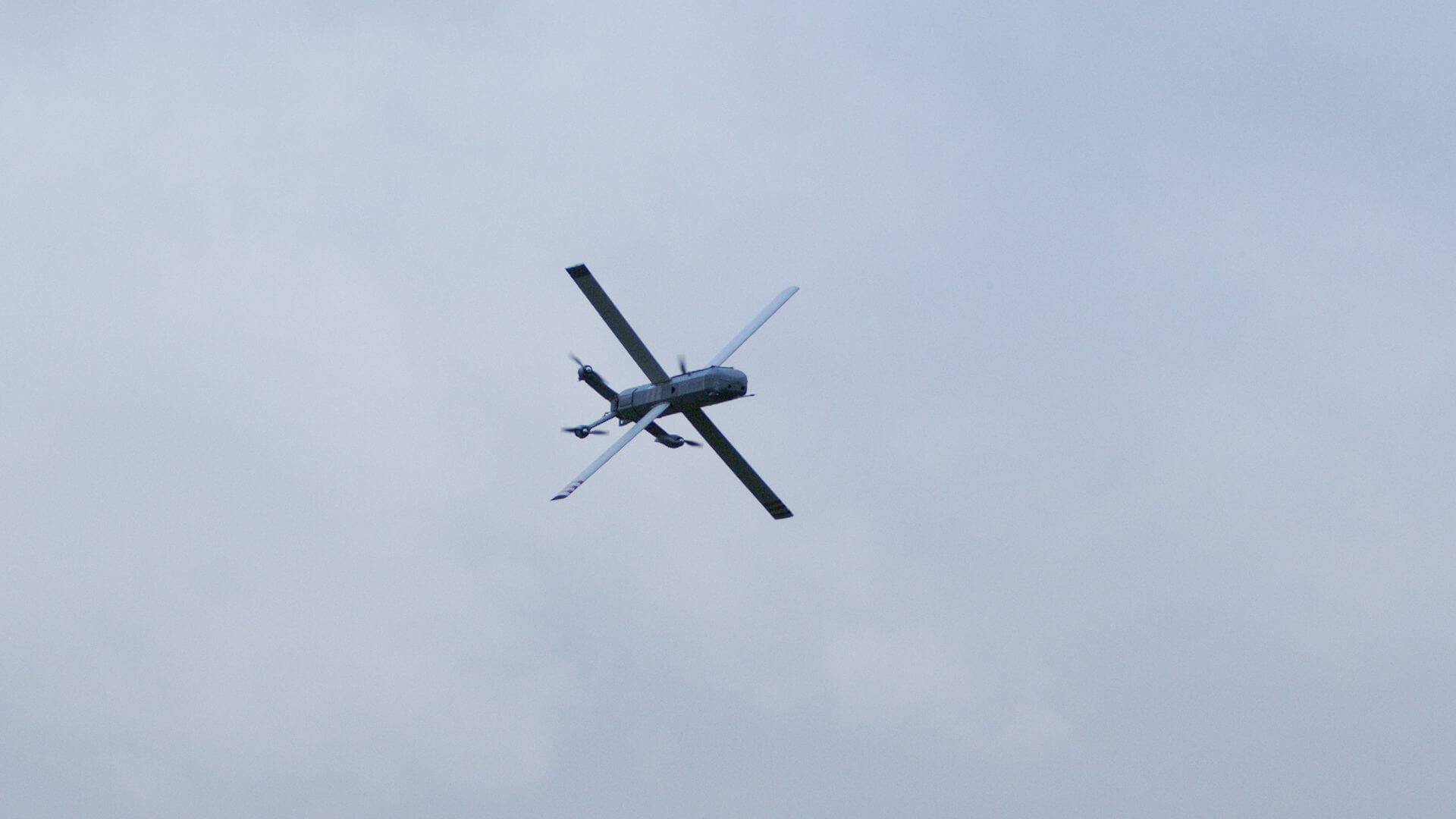
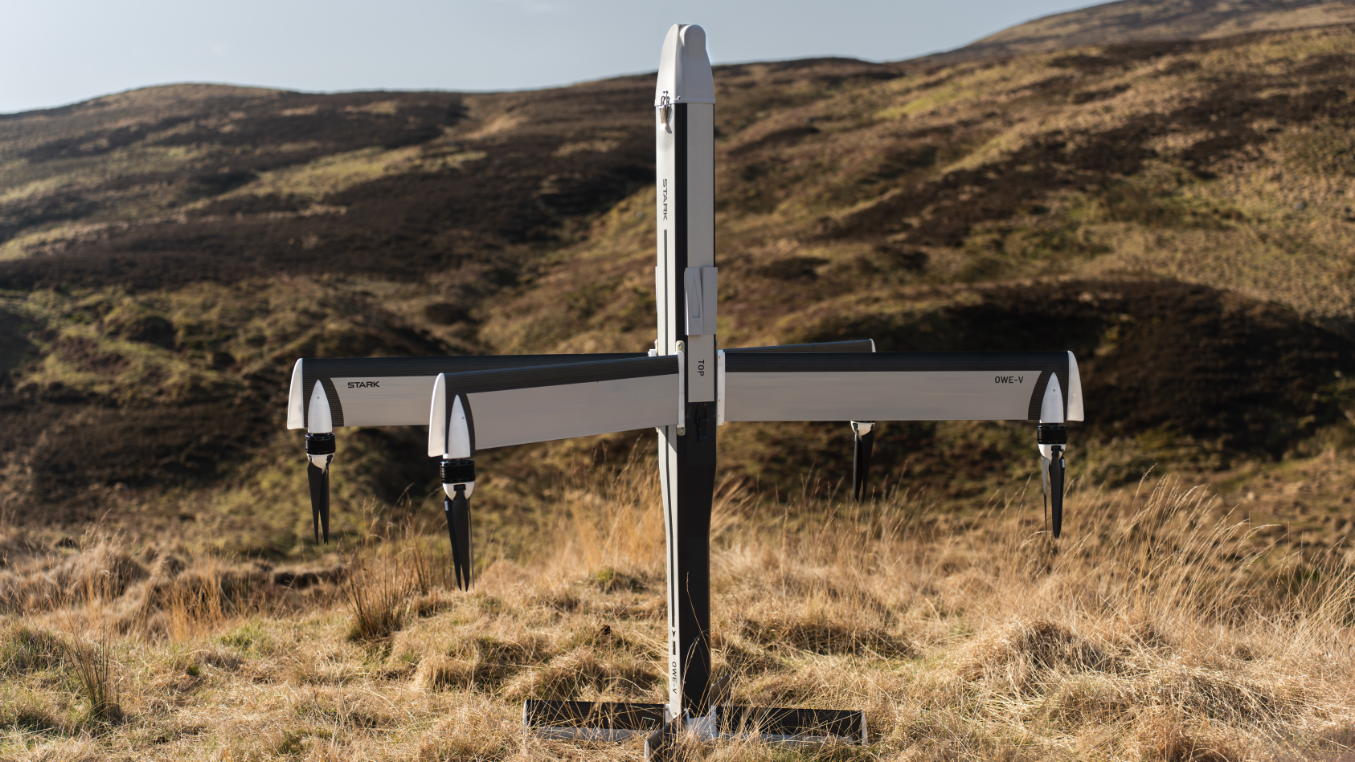
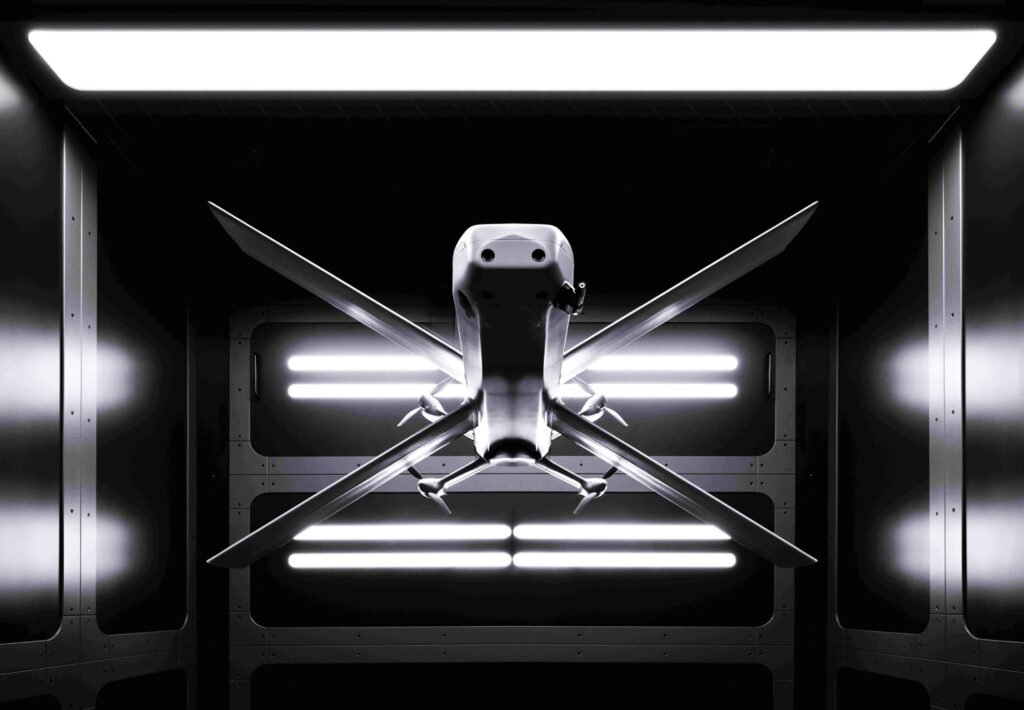
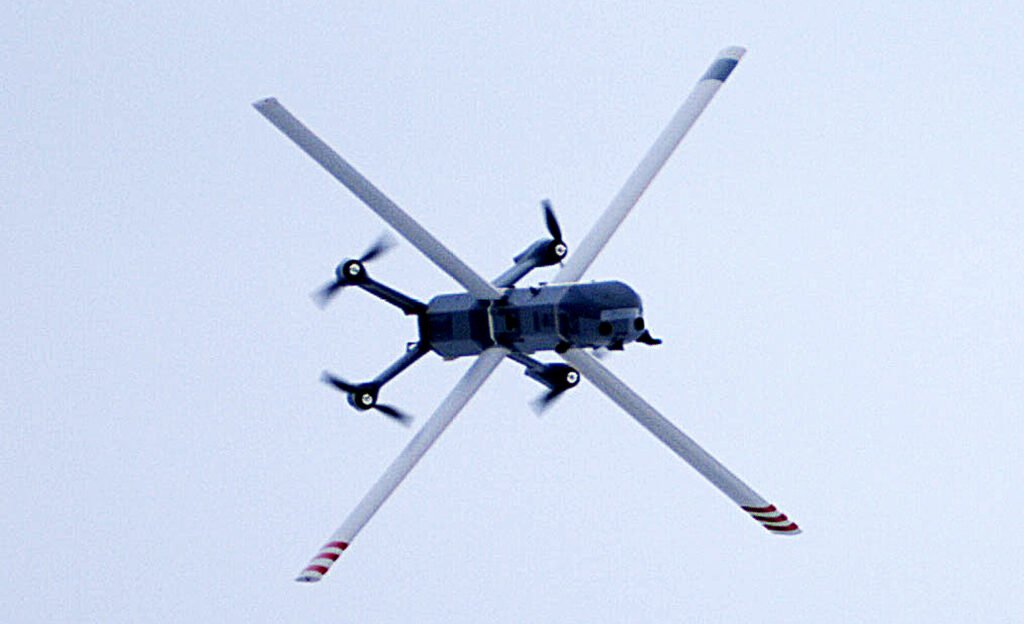
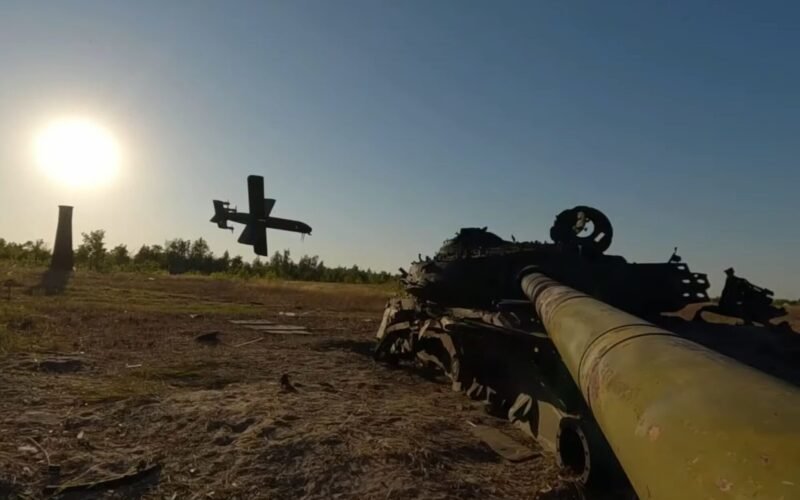
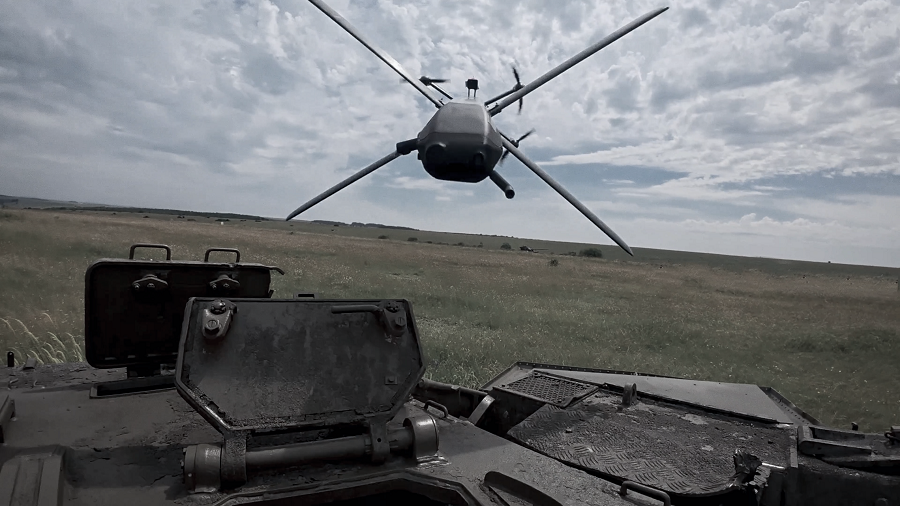
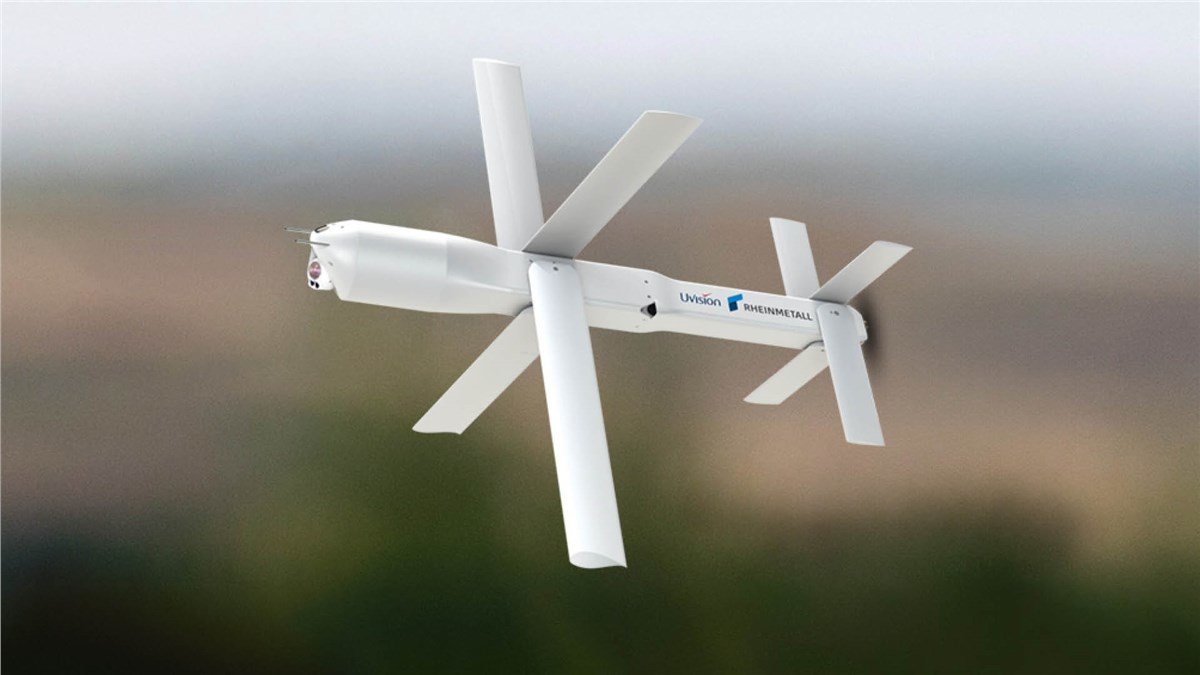
Mechanism: A loitering munition is a one-way drone that searches for a target and then dives into it, carrying its own explosive payload.
It sits between artillery and missiles: cheaper and faster to field than many traditional strike options, but more precise and more adaptable than massed indirect fire.
The operational value comes from three things: rapid production, flexible mission profiles, and software that shortens the loop from detection to strike.
The procurement logic behind these contracts leans on an “innovation clause” style approach: buy something usable now, then require iterative upgrades rather than freezing the design for years.
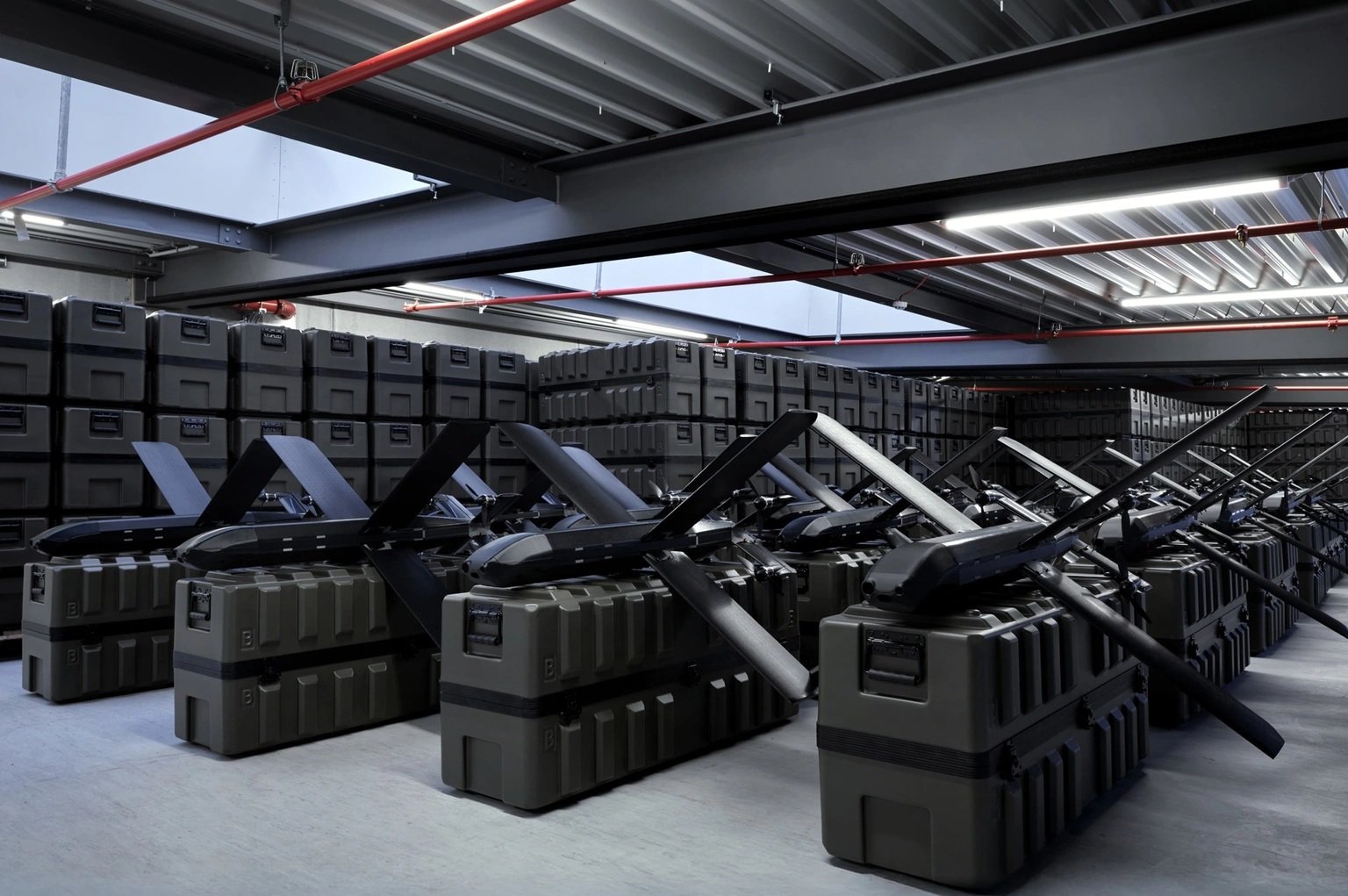
Unit economics: The attractive part of these systems is that unit cost can fall sharply with volume, while battlefield utility often rises with better sensors, guidance, and software.
Manufacturing, components, and assembly tend to scale with units.
Testing, integration, secure communications, and the engineering cadence for upgrades scale with complexity and tempo.
Margins can widen if the producer standardises parts and keeps upgrade cycles efficient, but margins can collapse if reliability problems drive rework, if supply chains are constrained, or if the buyer forces repeated redesigns without paying for the engineering load.
The state’s hidden cost sits outside the drone price: training, secure links, spares, storage, safety processes, and the teams needed to plan, authorise, and deconflict strikes.
Stakeholder leverage: Germany has the leverage of scale and long-term demand, but it also carries political risk: a failed fielding effort becomes a public procurement scandal.
The start-ups have leverage through speed and modern engineering culture, but they depend on state validation and predictable expansion options to justify capacity build-out.
The Bundeswehr depends on suppliers to deliver systems that work at scale, not just in demos.
The Bundestag holds a real veto point through budget oversight, which can protect taxpayers while also slowing urgent capability upgrades.
Legacy primes such as Rheinmetall retain leverage through industrial depth and integration experience, yet they risk losing momentum when prototypes lag or schedules slip.
Competitive dynamics: Competitive pressure is doing two things at once.
It is forcing the start-ups to prove reliability quickly, because defence buyers will not tolerate a “ship now, fix later” culture when lives and deterrence are on the line.
At the same time, it is forcing incumbents to shorten development cycles or accept being boxed out of the fastest-growing category in modern land warfare.
For Germany, choosing venture-backed suppliers is a signal that the procurement system is willing to reward speed, even if it means tolerating more iteration and public scrutiny when early performance is uneven.
Scenarios: Base case: the Bundestag approves the initial awards, deliveries begin for near-term operational needs, and expansion options are gated by measurable reliability and integration milestones; early indicators would be accelerated training pipelines and confirmed delivery cadence rather than headline figures.
Bull case: the systems demonstrate dependable performance at scale, upgrade cycles tighten, and Germany treats these contracts as a template for rapid procurement across other autonomous capabilities; early indicators would be repeat orders, stable failure rates, and expanding industrial capacity inside Germany.
Bear case: performance or test issues slow expansion, politics harden around procurement risk, and Germany reverts toward incumbents or smaller orders that do not create real industrial scale; early indicators would be delayed approvals, downgraded quantities, or re-opened competitions.
What to watch:
- Bundestag budget committee timing and whether approvals are phased or conditional.
- The exact quantity tied to the initial tranches for Helsing and Stark Defence.
- Reliability metrics in acceptance testing and how quickly failure rates fall with volume.
- Delivery tempo through the end of two thousand twenty-six and whether suppliers hit it.
- How quickly the Bundeswehr publishes training and integration milestones for units.
- Whether expansion options are exercised, and on what stated performance triggers.
- Whether Rheinmetall re-enters the competition after additional tests or a new prototype.
- Evidence of supply-chain bottlenecks for motors, batteries, guidance components, or secure links.
- Any changes to rules of use, targeting authorisations, and operational doctrine for loitering munitions.
- Whether Germany extends the same “upgrade clause” procurement model to adjacent systems.
The immediate story is procurement.
The deeper issue is strategic: Europe’s largest economy is trying to turn small-batch drone innovation into an industrial capability fast enough to deter Russia, supply a forward-deployed brigade in Lithuania, and avoid being locked into slow legacy defence cycles.
Confirmed vs unclear: What we can confirm is that Germany’s defence authorities have moved toward awarding contracts to Helsing and Stark Defence for loitering-munition drones, with initial orders in the hundreds of millions of euros and overall frameworks discussed at up to about four point three billion euros.
We can confirm Helsing’s HX-two one-way strike drone is tied to an initial contract reported at about two hundred sixty-nine million euros, with an expansion ceiling discussed at about one point four six billion euros.
We can confirm Stark Defence is also positioned for a large initial award, with a potential expansion ceiling discussed at about two point eight six billion euros.
We can confirm the deals are subject to review by the Bundestag budget process.
What’s still unclear is the final quantity and delivery schedule that will be approved, the precise performance thresholds required for expansion options, and how quickly the Bundeswehr can absorb the systems into training, doctrine, and logistics.
Mechanism: A loitering munition is a one-way drone that searches for a target and then dives into it, carrying its own explosive payload.
It sits between artillery and missiles: cheaper and faster to field than many traditional strike options, but more precise and more adaptable than massed indirect fire.
The operational value comes from three things: rapid production, flexible mission profiles, and software that shortens the loop from detection to strike.
The procurement logic behind these contracts leans on an “innovation clause” style approach: buy something usable now, then require iterative upgrades rather than freezing the design for years.
Unit economics: The attractive part of these systems is that unit cost can fall sharply with volume, while battlefield utility often rises with better sensors, guidance, and software.
Manufacturing, components, and assembly tend to scale with units.
Testing, integration, secure communications, and the engineering cadence for upgrades scale with complexity and tempo.
Margins can widen if the producer standardises parts and keeps upgrade cycles efficient, but margins can collapse if reliability problems drive rework, if supply chains are constrained, or if the buyer forces repeated redesigns without paying for the engineering load.
The state’s hidden cost sits outside the drone price: training, secure links, spares, storage, safety processes, and the teams needed to plan, authorise, and deconflict strikes.
Stakeholder leverage: Germany has the leverage of scale and long-term demand, but it also carries political risk: a failed fielding effort becomes a public procurement scandal.
The start-ups have leverage through speed and modern engineering culture, but they depend on state validation and predictable expansion options to justify capacity build-out.
The Bundeswehr depends on suppliers to deliver systems that work at scale, not just in demos.
The Bundestag holds a real veto point through budget oversight, which can protect taxpayers while also slowing urgent capability upgrades.
Legacy primes such as Rheinmetall retain leverage through industrial depth and integration experience, yet they risk losing momentum when prototypes lag or schedules slip.
Competitive dynamics: Competitive pressure is doing two things at once.
It is forcing the start-ups to prove reliability quickly, because defence buyers will not tolerate a “ship now, fix later” culture when lives and deterrence are on the line.
At the same time, it is forcing incumbents to shorten development cycles or accept being boxed out of the fastest-growing category in modern land warfare.
For Germany, choosing venture-backed suppliers is a signal that the procurement system is willing to reward speed, even if it means tolerating more iteration and public scrutiny when early performance is uneven.
Scenarios: Base case: the Bundestag approves the initial awards, deliveries begin for near-term operational needs, and expansion options are gated by measurable reliability and integration milestones; early indicators would be accelerated training pipelines and confirmed delivery cadence rather than headline figures.
Bull case: the systems demonstrate dependable performance at scale, upgrade cycles tighten, and Germany treats these contracts as a template for rapid procurement across other autonomous capabilities; early indicators would be repeat orders, stable failure rates, and expanding industrial capacity inside Germany.
Bear case: performance or test issues slow expansion, politics harden around procurement risk, and Germany reverts toward incumbents or smaller orders that do not create real industrial scale; early indicators would be delayed approvals, downgraded quantities, or re-opened competitions.
What to watch:
- Bundestag budget committee timing and whether approvals are phased or conditional.
- The exact quantity tied to the initial tranches for Helsing and Stark Defence.
- Reliability metrics in acceptance testing and how quickly failure rates fall with volume.
- Delivery tempo through the end of two thousand twenty-six and whether suppliers hit it.
- How quickly the Bundeswehr publishes training and integration milestones for units.
- Whether expansion options are exercised, and on what stated performance triggers.
- Whether Rheinmetall re-enters the competition after additional tests or a new prototype.
- Evidence of supply-chain bottlenecks for motors, batteries, guidance components, or secure links.
- Any changes to rules of use, targeting authorisations, and operational doctrine for loitering munitions.
- Whether Germany extends the same “upgrade clause” procurement model to adjacent systems.
AI Disclaimer: An advanced artificial intelligence (AI) system generated the content of this page on its own. This innovative technology conducts extensive research from a variety of reliable sources, performs rigorous fact-checking and verification, cleans up and balances biased or manipulated content, and presents a minimal factual summary that is just enough yet essential for you to function as an informed and educated citizen. Please keep in mind, however, that this system is an evolving technology, and as a result, the article may contain accidental inaccuracies or errors. We urge you to help us improve our site by reporting any inaccuracies you find using the "Contact Us" link at the bottom of this page. Your helpful feedback helps us improve our system and deliver more precise content. When you find an article of interest here, please look for the full and extensive coverage of this topic in traditional news sources, as they are written by professional journalists that we try to support, not replace. We appreciate your understanding and assistance.