Germany Marks a Decade Since Migrant Wave with Divisions, Success Stories, and Political Shifts
Ten years after more than a million asylum seekers entered the country, Germany balances integration successes with social strain and a rising far-right
Berlin – A decade after Germany opened its borders to more than a million asylum seekers during the 2015 refugee crisis, the country continues to wrestle with the legacy of Angela Merkel’s landmark decision.
While the move saved lives and reshaped Germany into a more cosmopolitan society, it has also deepened political divides, strained public services, and fueled the rise of the far-right Alternative for Germany (AfD) party.
In Berlin’s Sonnenallee, often referred to as “Arab Street,” Syrian barber Moustafa Mohmmad finds comfort in the familiar sights and flavors of Damascus, while Syrian restaurateur Malakeh Jazmati has built one of the capital’s most popular eateries.
Stories like theirs showcase successful integration, entrepreneurship, and cultural contributions.
Yet critics argue the country has struggled with overstretched childcare, housing, and education services, while concerns over violent crimes linked to asylum seekers have amplified public unease.
Germany’s current chancellor, Friedrich Merz, has moved to undo much of Merkel’s open-border legacy, enforcing stricter border controls, tighter residency rules, and even deportations to Taliban-controlled Afghanistan.
He insists such measures are necessary to reassure the public and counter AfD’s growing influence, particularly in eastern states where the party has secured regional victories.
Demographically, migration has transformed the country: more than 25 million people in Germany now have a migration background, including over a million with Syrian roots.
Migrants fill critical shortages in healthcare, construction, and manufacturing, with Syrians alone accounting for roughly 5,000 doctors.
Still, unemployment among refugees remains four times higher than the national average, and nearly half continue to rely on social benefits, fueling resentment in towns like Salzgitter, where migrants now make up a tenth of the population.
Education systems have also been challenged, with schools across Germany adapting to high percentages of migrant children.
Some headteachers describe their students’ “strong desire to perform well,” reflecting parents’ sacrifices.
Meanwhile, migrant cultural influence is visible in German slang, music, and arts, with Middle Eastern food, dance, and theatre thriving in cosmopolitan cities.
The political fallout remains profound.
Right-wing rhetoric has intensified since violent incidents, including the Cologne sexual assaults in 2015 and the Berlin Christmas market attack in 2016.
Today, AfD campaigns on promises of mass “remigration,” while mainstream leaders struggle to balance security with Germany’s economic need for skilled migrants.
Official data shows crime has risen, with 35% of suspects being foreign nationals, though criminologists note migrants are also disproportionately victims of hate crimes, which have surged.
As migration inflows fall sharply under new restrictions, many skilled migrants now question their future in Germany.
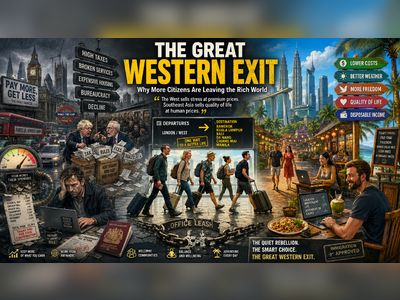
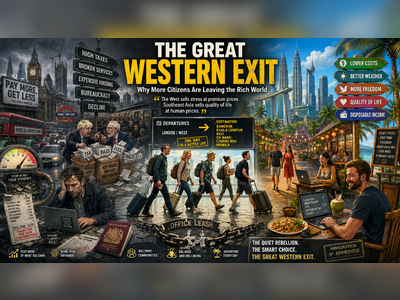
A recent study suggested one in four are considering leaving, citing bureaucracy, high taxes, and a hostile climate.
Still, voices like Jazmati’s highlight enduring optimism: despite hardship, she says she feels “part of this country” and is raising her German-born children as both Syrian and German.
Ten years on, Germany’s migration story remains one of contrasts—between hope and frustration, economic necessity and cultural transformation, political backlash and personal triumphs.
The debate shows little sign of fading as Europe’s largest economy grapples with its demographic future and national identity.
While the move saved lives and reshaped Germany into a more cosmopolitan society, it has also deepened political divides, strained public services, and fueled the rise of the far-right Alternative for Germany (AfD) party.
In Berlin’s Sonnenallee, often referred to as “Arab Street,” Syrian barber Moustafa Mohmmad finds comfort in the familiar sights and flavors of Damascus, while Syrian restaurateur Malakeh Jazmati has built one of the capital’s most popular eateries.
Stories like theirs showcase successful integration, entrepreneurship, and cultural contributions.
Yet critics argue the country has struggled with overstretched childcare, housing, and education services, while concerns over violent crimes linked to asylum seekers have amplified public unease.
Germany’s current chancellor, Friedrich Merz, has moved to undo much of Merkel’s open-border legacy, enforcing stricter border controls, tighter residency rules, and even deportations to Taliban-controlled Afghanistan.
He insists such measures are necessary to reassure the public and counter AfD’s growing influence, particularly in eastern states where the party has secured regional victories.
Demographically, migration has transformed the country: more than 25 million people in Germany now have a migration background, including over a million with Syrian roots.
Migrants fill critical shortages in healthcare, construction, and manufacturing, with Syrians alone accounting for roughly 5,000 doctors.
Still, unemployment among refugees remains four times higher than the national average, and nearly half continue to rely on social benefits, fueling resentment in towns like Salzgitter, where migrants now make up a tenth of the population.
Education systems have also been challenged, with schools across Germany adapting to high percentages of migrant children.
Some headteachers describe their students’ “strong desire to perform well,” reflecting parents’ sacrifices.
Meanwhile, migrant cultural influence is visible in German slang, music, and arts, with Middle Eastern food, dance, and theatre thriving in cosmopolitan cities.
The political fallout remains profound.
Right-wing rhetoric has intensified since violent incidents, including the Cologne sexual assaults in 2015 and the Berlin Christmas market attack in 2016.
Today, AfD campaigns on promises of mass “remigration,” while mainstream leaders struggle to balance security with Germany’s economic need for skilled migrants.
Official data shows crime has risen, with 35% of suspects being foreign nationals, though criminologists note migrants are also disproportionately victims of hate crimes, which have surged.
As migration inflows fall sharply under new restrictions, many skilled migrants now question their future in Germany.
A recent study suggested one in four are considering leaving, citing bureaucracy, high taxes, and a hostile climate.
Still, voices like Jazmati’s highlight enduring optimism: despite hardship, she says she feels “part of this country” and is raising her German-born children as both Syrian and German.
Ten years on, Germany’s migration story remains one of contrasts—between hope and frustration, economic necessity and cultural transformation, political backlash and personal triumphs.
The debate shows little sign of fading as Europe’s largest economy grapples with its demographic future and national identity.
AI Disclaimer: An advanced artificial intelligence (AI) system generated the content of this page on its own. This innovative technology conducts extensive research from a variety of reliable sources, performs rigorous fact-checking and verification, cleans up and balances biased or manipulated content, and presents a minimal factual summary that is just enough yet essential for you to function as an informed and educated citizen. Please keep in mind, however, that this system is an evolving technology, and as a result, the article may contain accidental inaccuracies or errors. We urge you to help us improve our site by reporting any inaccuracies you find using the "Contact Us" link at the bottom of this page. Your helpful feedback helps us improve our system and deliver more precise content. When you find an article of interest here, please look for the full and extensive coverage of this topic in traditional news sources, as they are written by professional journalists that we try to support, not replace. We appreciate your understanding and assistance.