

China’s EV Makers Face Mandatory Return to Physical Buttons and Door Handles in Driver-Distraction Safety Overhaul
Regulators move to curb touchscreen-only controls, hidden handles, and aircraft-style steering wheels, forcing major interior redesigns across the Chinese auto industry.
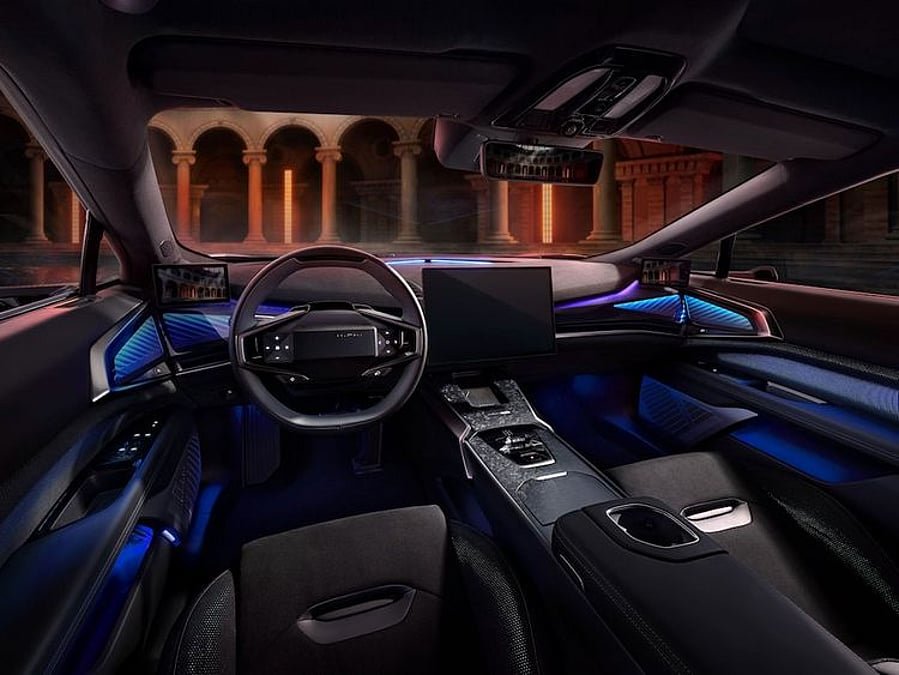
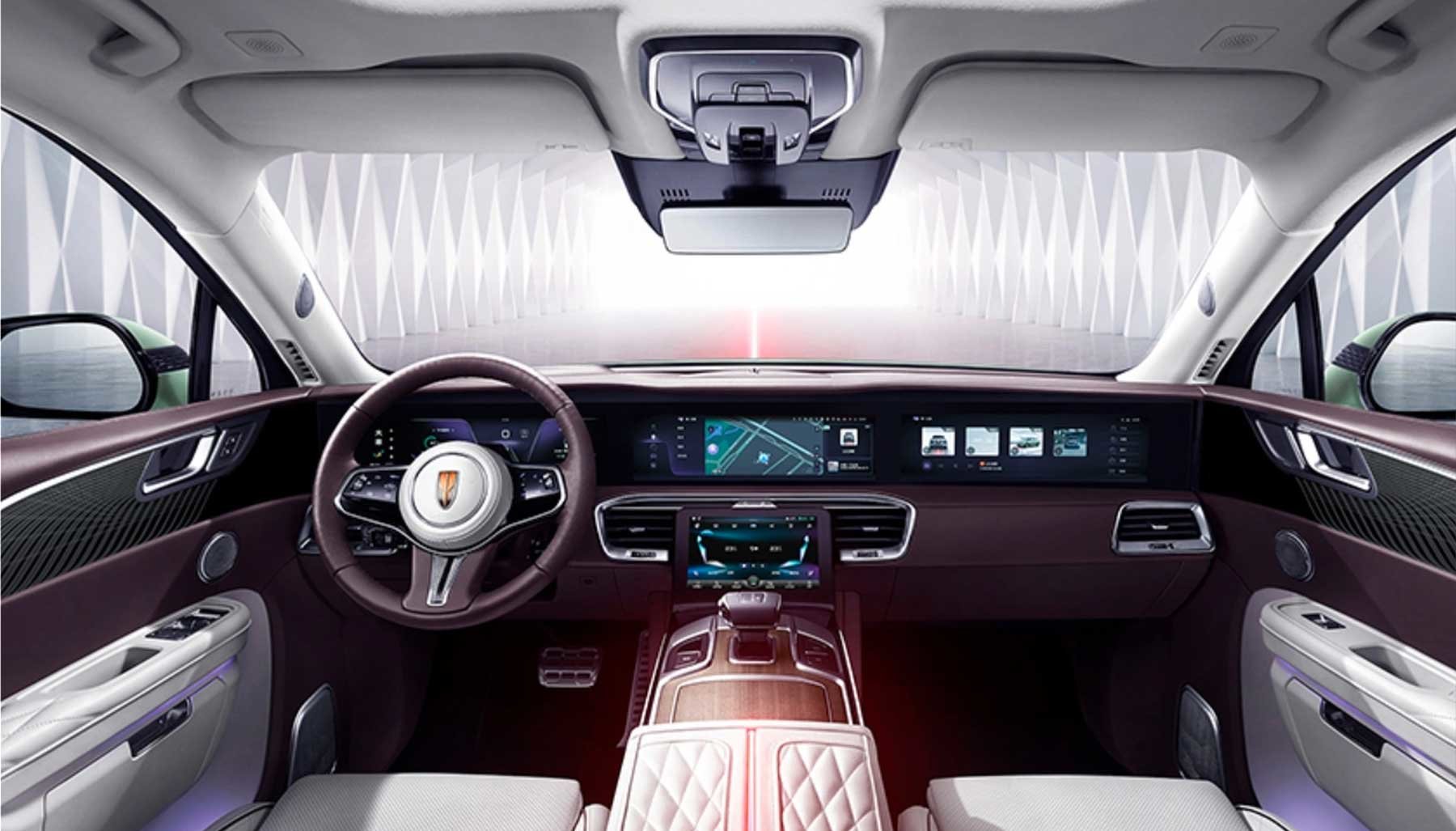
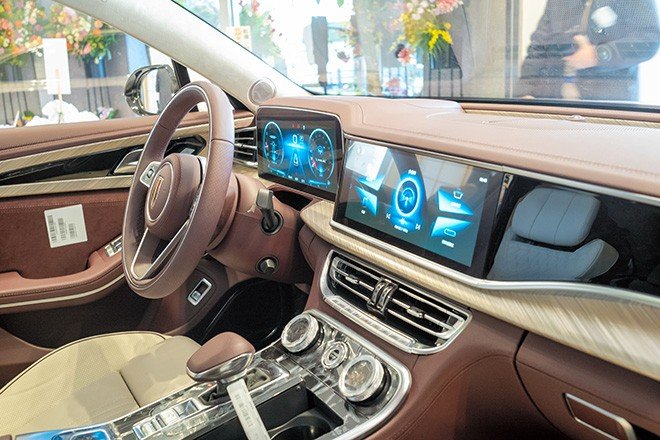
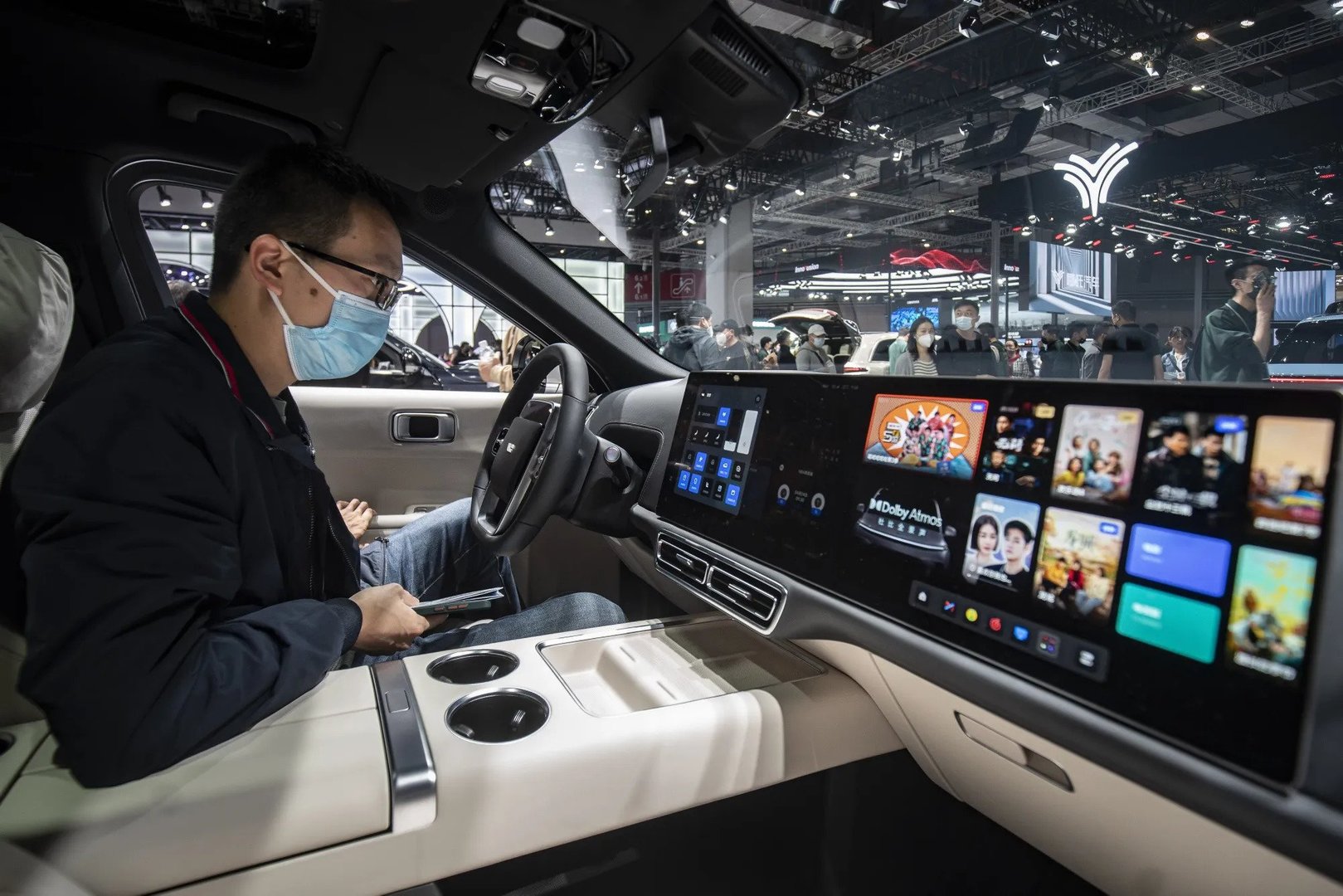
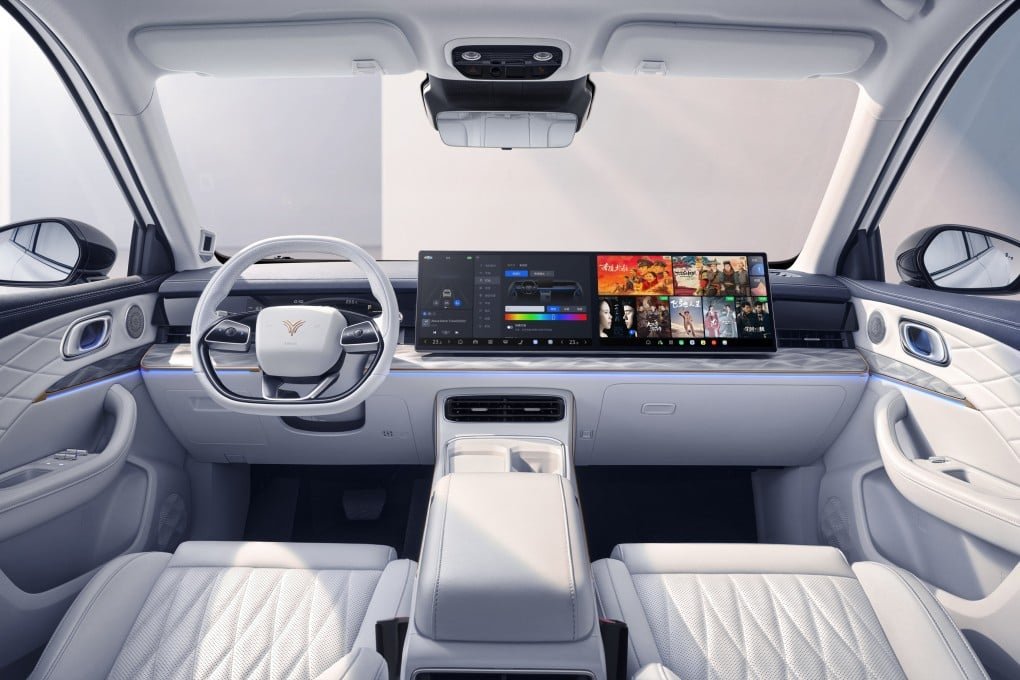
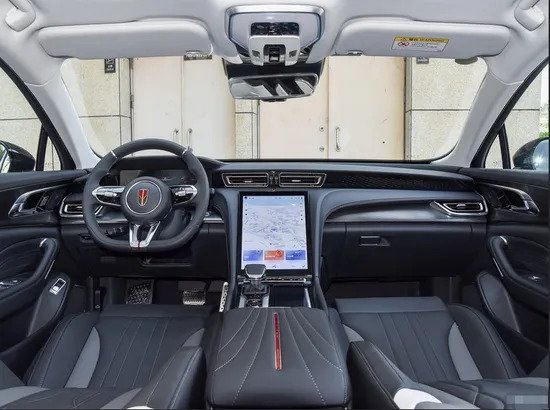
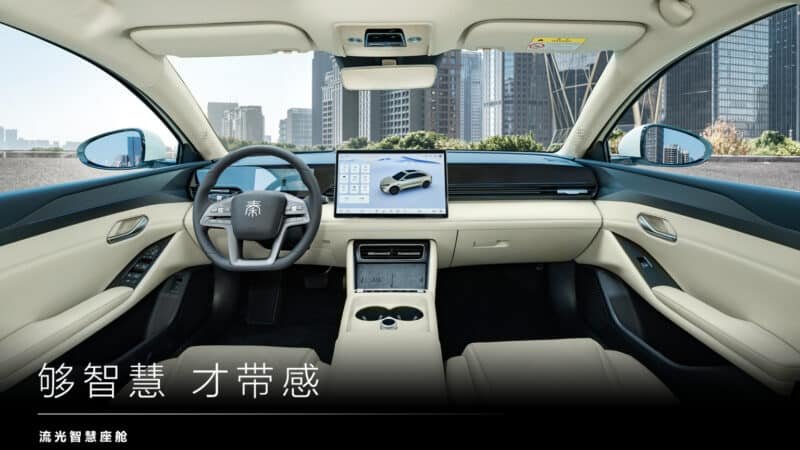
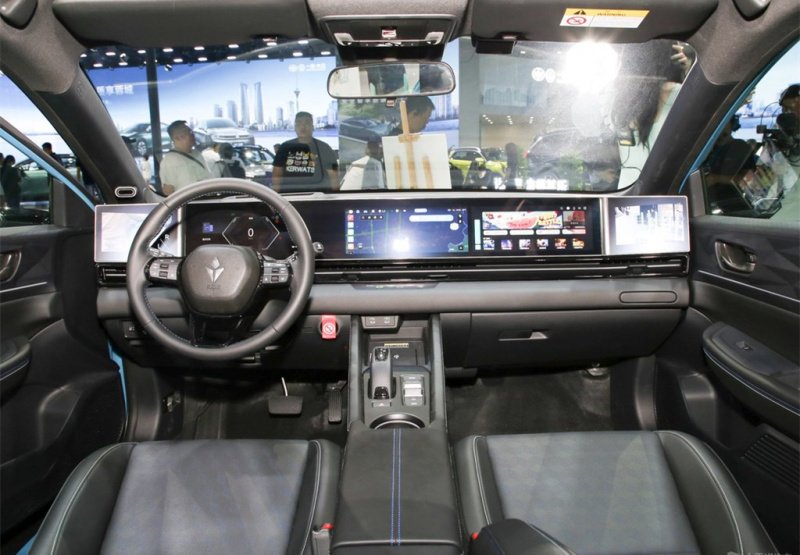
China is preparing to force its electric vehicle industry to rethink the touchscreen-dominated interior that became a defining feature of its domestic design wave.
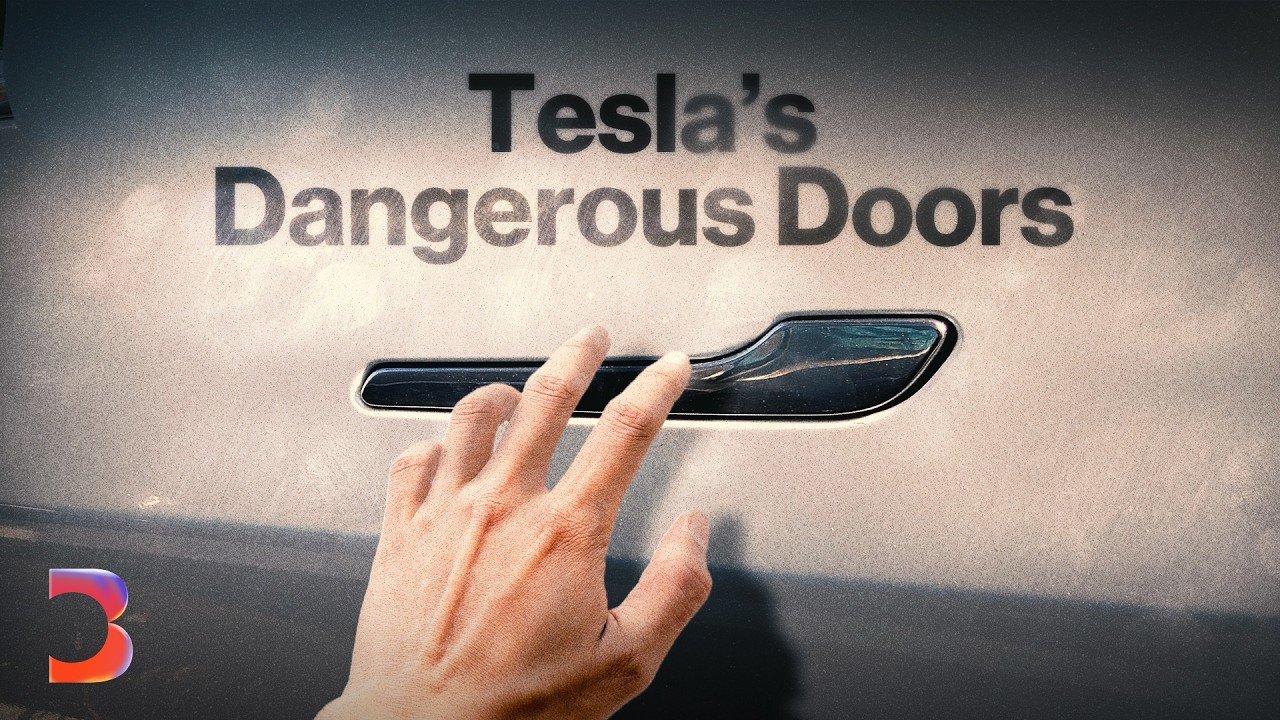
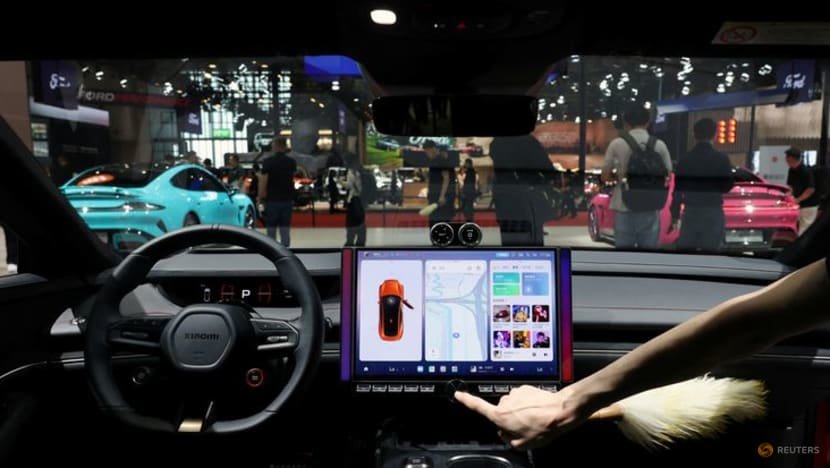
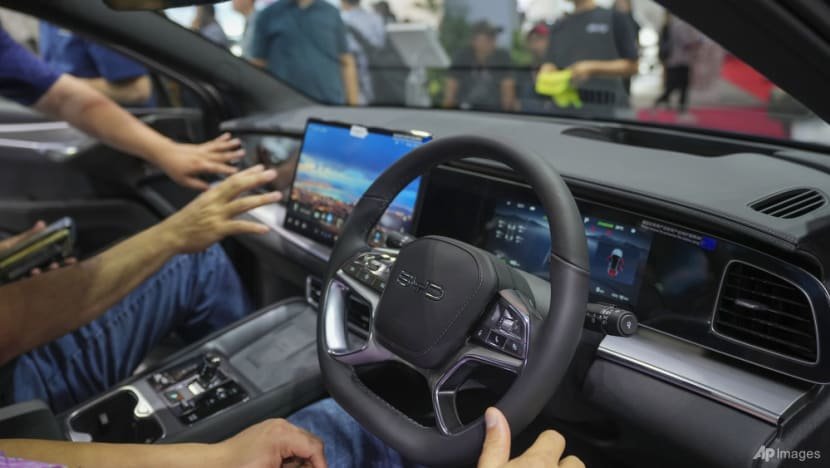
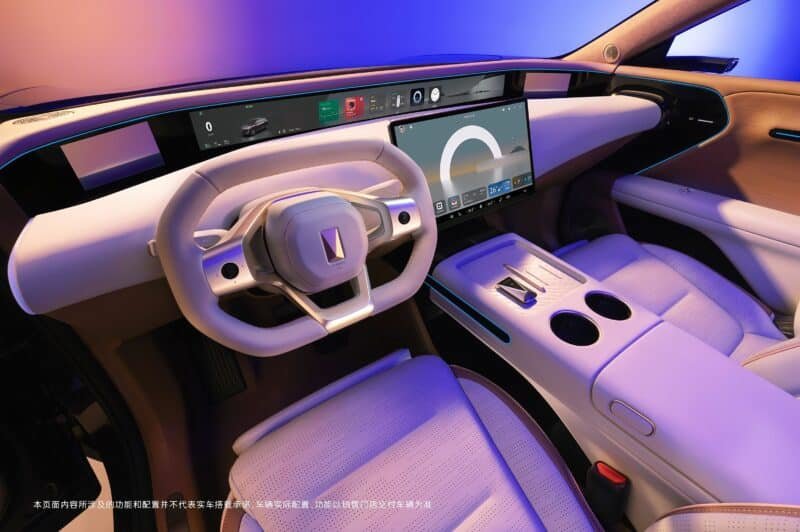
The urgent issue is regulatory standard-setting over driver distraction and emergency access: Beijing is signaling that core driving functions must move out of menus and back into physical controls, and that features such as hidden door handles and non-circular steering wheels may not meet future safety requirements.
This matters because China is the world’s largest car market and a central export hub.
When China resets safety standards, manufacturing strategies shift globally.
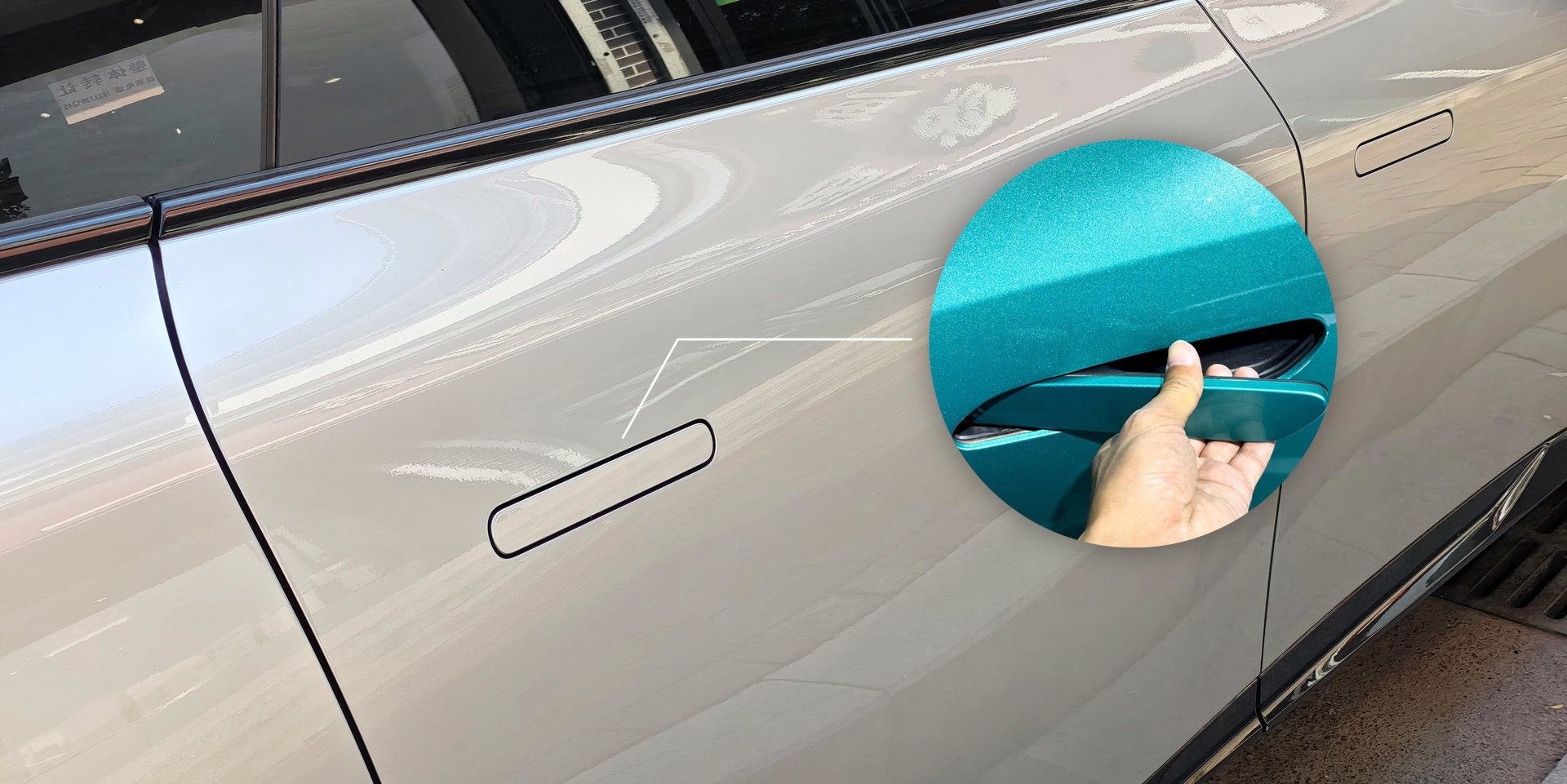
Confirmed vs unclear: What we can confirm is that China’s Ministry of Industry and Information Technology has advanced safety-driven requirements aimed at moving certain essential vehicle functions from touchscreens to dedicated physical controls, and that authorities have acted against hidden or purely electronic door handles due to emergency-access concerns.
We can also confirm regulatory scrutiny of aircraft-style "yoke" steering wheels tied to crash and usability standards.
What remains unclear is the final wording, scope, and exact enforcement timeline of the touchscreen-control mandate, as elements have been described as draft standards pending formal implementation.
Mechanism: The principle is distraction minimization.
Touchscreens require visual confirmation and layered navigation.
When functions such as signaling, hazard activation, gear selection, or emergency calling sit inside software menus, drivers must shift attention away from the road.
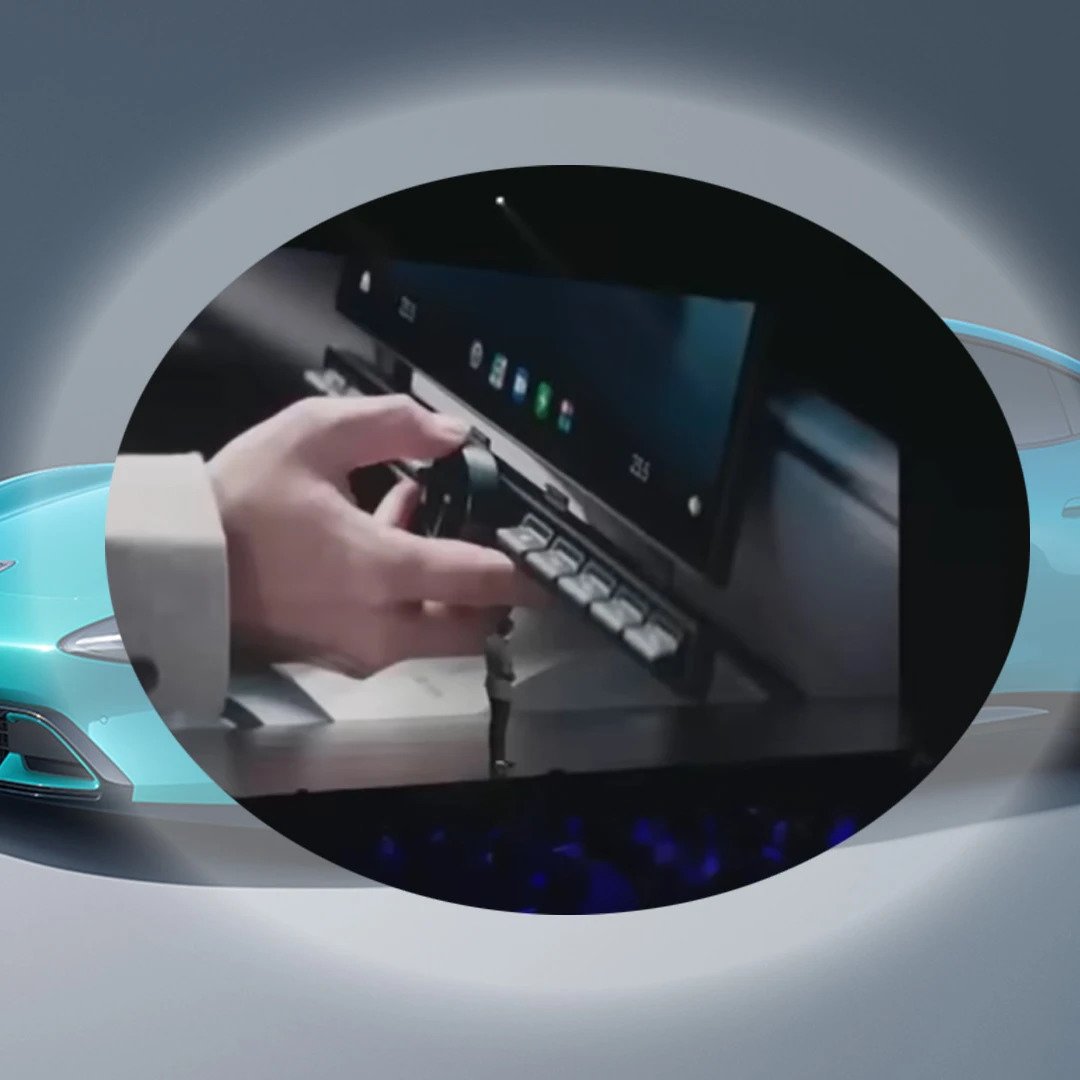
Regulators can define a list of "critical controls" that must be accessible through tactile hardware placed within immediate reach.
Door-handle restrictions operate on redundancy logic: a mechanical release works even when electronics fail after collision, fire, or power loss.
Steering design rules hinge on control geometry and crash performance.
If a steering shape compromises stability or fails regulatory testing, certification is denied.
Unit economics: Minimalist, screen-first interiors gained traction partly because they reduce hardware complexity.
Replacing physical switches with software lowers parts count, simplifies wiring, and streamlines assembly.
That scales efficiently in high-volume EV production.
Mandating hardware reverses part of that equation.
Costs return to mechanical components, supplier sourcing, tooling modifications, and additional validation cycles.
For manufacturers that structured entire platforms around large displays and pop-out handles, redesign expenses will pressure margins during transition.
Over time, standardized modules may stabilize costs, but near-term capital expenditure rises.
Stakeholder leverage: The regulator holds decisive authority because certification is mandatory for domestic sales.
Automakers depend on regulatory approval to maintain market access.
Component suppliers gain temporary leverage if demand for compliant switches, latches, and steering assemblies surges simultaneously across brands.
Consumers gain indirect leverage as safety framing reshapes expectations.
Export markets are structurally affected; many vehicles shipped abroad originate from China-based production lines, so redesigns will travel outward.
Competitive dynamics: Chinese EV design trends have historically spread rapidly across manufacturers.
Large central displays and hidden hardware became signals of modernity, and the aesthetic was influential enough that foreign brands later adopted similar minimalist strategies.
Regulation interrupts imitation cycles.
Instead of competing on how aggressively hardware can disappear, manufacturers must compete on ergonomic clarity, durability, and regulatory compliance speed.
Innovation shifts from visual experimentation to disciplined execution.
Scenarios: Base case: standards are finalized with phased implementation, leading to broad interior updates across upcoming model years.
Bull case: usability improves, safety incidents decline, and Chinese vehicles gain reputational strength in export markets.
Bear case: accelerated enforcement triggers supplier bottlenecks and redesign delays, compressing margins and disrupting launch schedules for brands heavily invested in touchscreen-only layouts.
China is signaling a shift from rapid design experimentation toward standardized safety governance.
A market once defined by fast-moving stylistic innovation is being recalibrated around measurable risk reduction.
The next phase of competition will favor manufacturers that can blend compliance, usability, and cost discipline without losing technological appeal.
The urgent issue is regulatory standard-setting over driver distraction and emergency access: Beijing is signaling that core driving functions must move out of menus and back into physical controls, and that features such as hidden door handles and non-circular steering wheels may not meet future safety requirements.
This matters because China is the world’s largest car market and a central export hub.
When China resets safety standards, manufacturing strategies shift globally.
Confirmed vs unclear: What we can confirm is that China’s Ministry of Industry and Information Technology has advanced safety-driven requirements aimed at moving certain essential vehicle functions from touchscreens to dedicated physical controls, and that authorities have acted against hidden or purely electronic door handles due to emergency-access concerns.
We can also confirm regulatory scrutiny of aircraft-style "yoke" steering wheels tied to crash and usability standards.
What remains unclear is the final wording, scope, and exact enforcement timeline of the touchscreen-control mandate, as elements have been described as draft standards pending formal implementation.
Mechanism: The principle is distraction minimization.
Touchscreens require visual confirmation and layered navigation.
When functions such as signaling, hazard activation, gear selection, or emergency calling sit inside software menus, drivers must shift attention away from the road.
Regulators can define a list of "critical controls" that must be accessible through tactile hardware placed within immediate reach.
Door-handle restrictions operate on redundancy logic: a mechanical release works even when electronics fail after collision, fire, or power loss.
Steering design rules hinge on control geometry and crash performance.
If a steering shape compromises stability or fails regulatory testing, certification is denied.
Unit economics: Minimalist, screen-first interiors gained traction partly because they reduce hardware complexity.
Replacing physical switches with software lowers parts count, simplifies wiring, and streamlines assembly.
That scales efficiently in high-volume EV production.
Mandating hardware reverses part of that equation.
Costs return to mechanical components, supplier sourcing, tooling modifications, and additional validation cycles.
For manufacturers that structured entire platforms around large displays and pop-out handles, redesign expenses will pressure margins during transition.
Over time, standardized modules may stabilize costs, but near-term capital expenditure rises.
Stakeholder leverage: The regulator holds decisive authority because certification is mandatory for domestic sales.
Automakers depend on regulatory approval to maintain market access.
Component suppliers gain temporary leverage if demand for compliant switches, latches, and steering assemblies surges simultaneously across brands.
Consumers gain indirect leverage as safety framing reshapes expectations.
Export markets are structurally affected; many vehicles shipped abroad originate from China-based production lines, so redesigns will travel outward.
Competitive dynamics: Chinese EV design trends have historically spread rapidly across manufacturers.
Large central displays and hidden hardware became signals of modernity, and the aesthetic was influential enough that foreign brands later adopted similar minimalist strategies.
Regulation interrupts imitation cycles.
Instead of competing on how aggressively hardware can disappear, manufacturers must compete on ergonomic clarity, durability, and regulatory compliance speed.
Innovation shifts from visual experimentation to disciplined execution.
Scenarios: Base case: standards are finalized with phased implementation, leading to broad interior updates across upcoming model years.
Bull case: usability improves, safety incidents decline, and Chinese vehicles gain reputational strength in export markets.
Bear case: accelerated enforcement triggers supplier bottlenecks and redesign delays, compressing margins and disrupting launch schedules for brands heavily invested in touchscreen-only layouts.
China is signaling a shift from rapid design experimentation toward standardized safety governance.
A market once defined by fast-moving stylistic innovation is being recalibrated around measurable risk reduction.
The next phase of competition will favor manufacturers that can blend compliance, usability, and cost discipline without losing technological appeal.
AI Disclaimer: An advanced artificial intelligence (AI) system generated the content of this page on its own. This innovative technology conducts extensive research from a variety of reliable sources, performs rigorous fact-checking and verification, cleans up and balances biased or manipulated content, and presents a minimal factual summary that is just enough yet essential for you to function as an informed and educated citizen. Please keep in mind, however, that this system is an evolving technology, and as a result, the article may contain accidental inaccuracies or errors. We urge you to help us improve our site by reporting any inaccuracies you find using the "Contact Us" link at the bottom of this page. Your helpful feedback helps us improve our system and deliver more precise content. When you find an article of interest here, please look for the full and extensive coverage of this topic in traditional news sources, as they are written by professional journalists that we try to support, not replace. We appreciate your understanding and assistance.