
United States under President Donald Trump completes withdrawal from the World Health Organization: health sovereignty versus global outbreak early-warning access
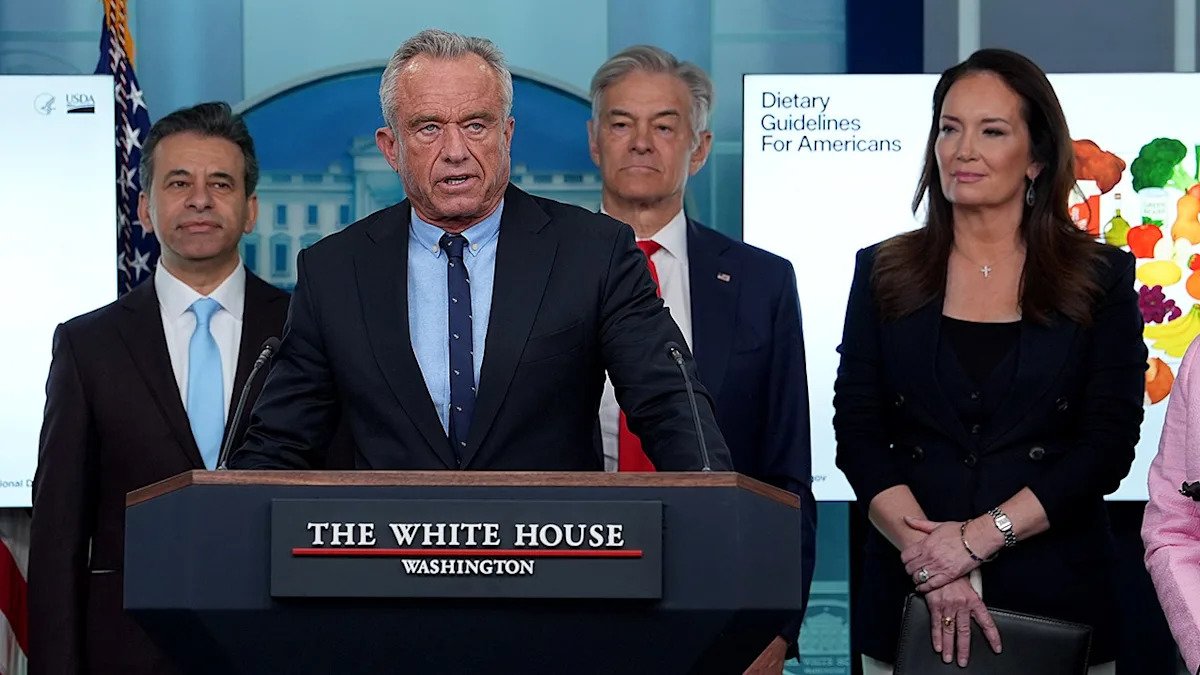
Secretary of State Marco Rubio and Health Secretary Robert F. Kennedy Jr. framed the exit as a COVID-era accountability move while U.S. participation in WHO committees and information channels ends.
The United States has now completed its withdrawal from the World Health Organization, and the single issue at the center is a high-stakes trade-off: whether Washington gains more protection for Americans through tighter national control of public-health policy, or whether the U.S. increases its own risk by stepping away from the main global coordination system that shares outbreak intelligence, standards, and technical cooperation.
The timing matters because the decision is no longer theoretical; it changes what the U.S. can access, influence, and shape before the next cross-border health emergency tests response speed.
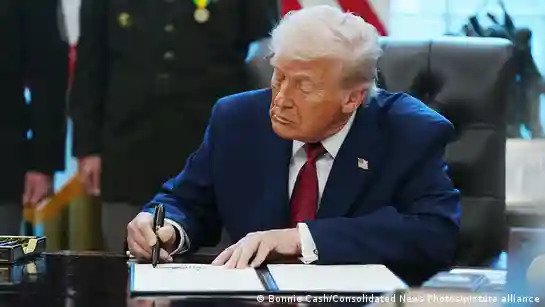
Confirmed vs unclear: What we can confirm is that President Donald Trump initiated the withdrawal process by executive action at the start of his term, that the U.S. exit has now been completed, and that the administration publicly tied the decision to dissatisfaction with the WHO's performance during COVID and to a stated objective of health sovereignty.
What we can also confirm is that U.S. participation in WHO internal bodies has ended, including technical work streams referenced in the item such as influenza vaccine-related committee activity and broader information-sharing participation.
What's still unclear is the precise status and enforceability of unpaid U.S. obligations, because publicly stated figures differ; the item specifies at least $130 million while other public descriptions cite different totals.
What's also unclear is whether the bilateral cooperation concept the administration cites can replicate, at scale and at speed, the data and coordination functions previously handled through WHO channels.
Mechanism: The WHO's practical value is less about speeches and more about plumbing.
It connects national health authorities through shared processes for alerts, technical guidance, convening experts, and facilitating cross-border cooperation when diseases spread.
Membership also creates routine access points: committee seats, working groups, and standardized pathways for exchanging information that helps governments align responses quickly.
When the United States exits, those formal access points and that institutional presence end, and the U.S. must rely on domestic systems plus direct, country-to-country arrangements and non-governmental cooperation to fill the gap.
Stakeholder leverage: The United States has leverage when it is inside the WHO system because funding, participation, and expertise translate into influence over priorities, standards, and crisis coordination.
The WHO has leverage because it is the default meeting table used by nearly all countries, which makes it difficult to replace with a patchwork of separate deals during a fast-moving emergency.
Other member states gain leverage when the U.S. is absent, because norms and technical practices can evolve without U.S. input, and the U.S. then has fewer formal tools to shape outcomes that still affect Americans through travel, trade, and pathogen spread.
Inside the U.S. system, the administration's leverage comes from control over executive policy direction, while the constraint is operational: any replacement model must work in real time, not just exist as a concept.
Competitive dynamics: This decision sits inside a broader competition over who sets global rules, who controls information flows, and who carries the institutional burden.
The Trump administration's argument emphasizes national independence, accountability for COVID-era failures, and avoiding an institution it views as politically constrained or biased.
The counterpressure is strategic: stepping away creates space for others to shape standards and coordination methods that can later limit U.S. options or slow U.S. access during crises.
At home, political competition also matters because pandemic outcomes carry enormous human and economic consequences; the incentive is to control decision rights and reduce exposure to external actors, while the risk is that reduced integration can raise the cost of surprises.
Scenarios: Base case: the U.S. builds a functional substitute that covers priority needs but accepts reduced influence over WHO-centered standards and convening; early indicators would include durable, operational bilateral frameworks and continued practical access to time-sensitive outbreak intelligence.
Bull case: the withdrawal forces a sharper, more accountable U.S.-led cooperation model that preserves speed and access while keeping policy control firmly in Washington; early indicators would be rapid institutionalization of replacement channels that demonstrably deliver data, samples, and coordination during smaller outbreaks before the next major crisis.
Bear case: the U.S. loses time, influence, and routine access, and the next outbreak exposes gaps that raise domestic health and economic costs; early indicators would be delayed visibility into emerging threats, reduced participation in technical alignment that affects vaccines and guidance, and increased friction when crisis coordination is needed.
What to watch:
- Whether the administration announces a specific replacement mechanism for routine cross-border epidemiological data exchange.
- Whether U.S. agencies retain practical access to pathogen samples and genetic sequencing data through non-WHO channels.
- Whether an alternative pathway exists for the influenza vaccine strain selection work referenced in the item.
- Whether formal bilateral health agreements are signed with enough countries to cover key surveillance nodes.
- Whether the U.S. reallocates funding from WHO participation into domestic surveillance, stockpiles, and rapid-response capacity.
- Whether the unpaid-obligations dispute escalates into a sustained diplomatic standoff or fades operationally.
- Whether the WHO adjusts programs or staffing in ways that materially reduce field capacity in lower-income countries.
- Whether other countries shift their own WHO posture in response to U.S. withdrawal.
- Whether U.S. access to coordinated guidance during outbreaks becomes slower or more fragmented.
- Whether the U.S. seeks a renegotiated re-entry path or stays outside through the next major global health emergency.
- Whether U.S. travel and trade coordination during health events becomes more complicated due to diverging standards.
The timing matters because the decision is no longer theoretical; it changes what the U.S. can access, influence, and shape before the next cross-border health emergency tests response speed.
Confirmed vs unclear: What we can confirm is that President Donald Trump initiated the withdrawal process by executive action at the start of his term, that the U.S. exit has now been completed, and that the administration publicly tied the decision to dissatisfaction with the WHO's performance during COVID and to a stated objective of health sovereignty.
What we can also confirm is that U.S. participation in WHO internal bodies has ended, including technical work streams referenced in the item such as influenza vaccine-related committee activity and broader information-sharing participation.
What's still unclear is the precise status and enforceability of unpaid U.S. obligations, because publicly stated figures differ; the item specifies at least $130 million while other public descriptions cite different totals.
What's also unclear is whether the bilateral cooperation concept the administration cites can replicate, at scale and at speed, the data and coordination functions previously handled through WHO channels.
Mechanism: The WHO's practical value is less about speeches and more about plumbing.
It connects national health authorities through shared processes for alerts, technical guidance, convening experts, and facilitating cross-border cooperation when diseases spread.
Membership also creates routine access points: committee seats, working groups, and standardized pathways for exchanging information that helps governments align responses quickly.
When the United States exits, those formal access points and that institutional presence end, and the U.S. must rely on domestic systems plus direct, country-to-country arrangements and non-governmental cooperation to fill the gap.
Stakeholder leverage: The United States has leverage when it is inside the WHO system because funding, participation, and expertise translate into influence over priorities, standards, and crisis coordination.
The WHO has leverage because it is the default meeting table used by nearly all countries, which makes it difficult to replace with a patchwork of separate deals during a fast-moving emergency.
Other member states gain leverage when the U.S. is absent, because norms and technical practices can evolve without U.S. input, and the U.S. then has fewer formal tools to shape outcomes that still affect Americans through travel, trade, and pathogen spread.
Inside the U.S. system, the administration's leverage comes from control over executive policy direction, while the constraint is operational: any replacement model must work in real time, not just exist as a concept.
Competitive dynamics: This decision sits inside a broader competition over who sets global rules, who controls information flows, and who carries the institutional burden.
The Trump administration's argument emphasizes national independence, accountability for COVID-era failures, and avoiding an institution it views as politically constrained or biased.
The counterpressure is strategic: stepping away creates space for others to shape standards and coordination methods that can later limit U.S. options or slow U.S. access during crises.
At home, political competition also matters because pandemic outcomes carry enormous human and economic consequences; the incentive is to control decision rights and reduce exposure to external actors, while the risk is that reduced integration can raise the cost of surprises.
Scenarios: Base case: the U.S. builds a functional substitute that covers priority needs but accepts reduced influence over WHO-centered standards and convening; early indicators would include durable, operational bilateral frameworks and continued practical access to time-sensitive outbreak intelligence.
Bull case: the withdrawal forces a sharper, more accountable U.S.-led cooperation model that preserves speed and access while keeping policy control firmly in Washington; early indicators would be rapid institutionalization of replacement channels that demonstrably deliver data, samples, and coordination during smaller outbreaks before the next major crisis.
Bear case: the U.S. loses time, influence, and routine access, and the next outbreak exposes gaps that raise domestic health and economic costs; early indicators would be delayed visibility into emerging threats, reduced participation in technical alignment that affects vaccines and guidance, and increased friction when crisis coordination is needed.
What to watch:
- Whether the administration announces a specific replacement mechanism for routine cross-border epidemiological data exchange.
- Whether U.S. agencies retain practical access to pathogen samples and genetic sequencing data through non-WHO channels.
- Whether an alternative pathway exists for the influenza vaccine strain selection work referenced in the item.
- Whether formal bilateral health agreements are signed with enough countries to cover key surveillance nodes.
- Whether the U.S. reallocates funding from WHO participation into domestic surveillance, stockpiles, and rapid-response capacity.
- Whether the unpaid-obligations dispute escalates into a sustained diplomatic standoff or fades operationally.
- Whether the WHO adjusts programs or staffing in ways that materially reduce field capacity in lower-income countries.
- Whether other countries shift their own WHO posture in response to U.S. withdrawal.
- Whether U.S. access to coordinated guidance during outbreaks becomes slower or more fragmented.
- Whether the U.S. seeks a renegotiated re-entry path or stays outside through the next major global health emergency.
- Whether U.S. travel and trade coordination during health events becomes more complicated due to diverging standards.
AI Disclaimer: An advanced artificial intelligence (AI) system generated the content of this page on its own. This innovative technology conducts extensive research from a variety of reliable sources, performs rigorous fact-checking and verification, cleans up and balances biased or manipulated content, and presents a minimal factual summary that is just enough yet essential for you to function as an informed and educated citizen. Please keep in mind, however, that this system is an evolving technology, and as a result, the article may contain accidental inaccuracies or errors. We urge you to help us improve our site by reporting any inaccuracies you find using the "Contact Us" link at the bottom of this page. Your helpful feedback helps us improve our system and deliver more precise content. When you find an article of interest here, please look for the full and extensive coverage of this topic in traditional news sources, as they are written by professional journalists that we try to support, not replace. We appreciate your understanding and assistance.